

Events & Weddings
How Much Time Should You Set Aside for Wedding Photography?
Choose wedding photography coverage with a practical timeline for civil ceremonies, preparations, portraits, receptions and travel in Orlando.
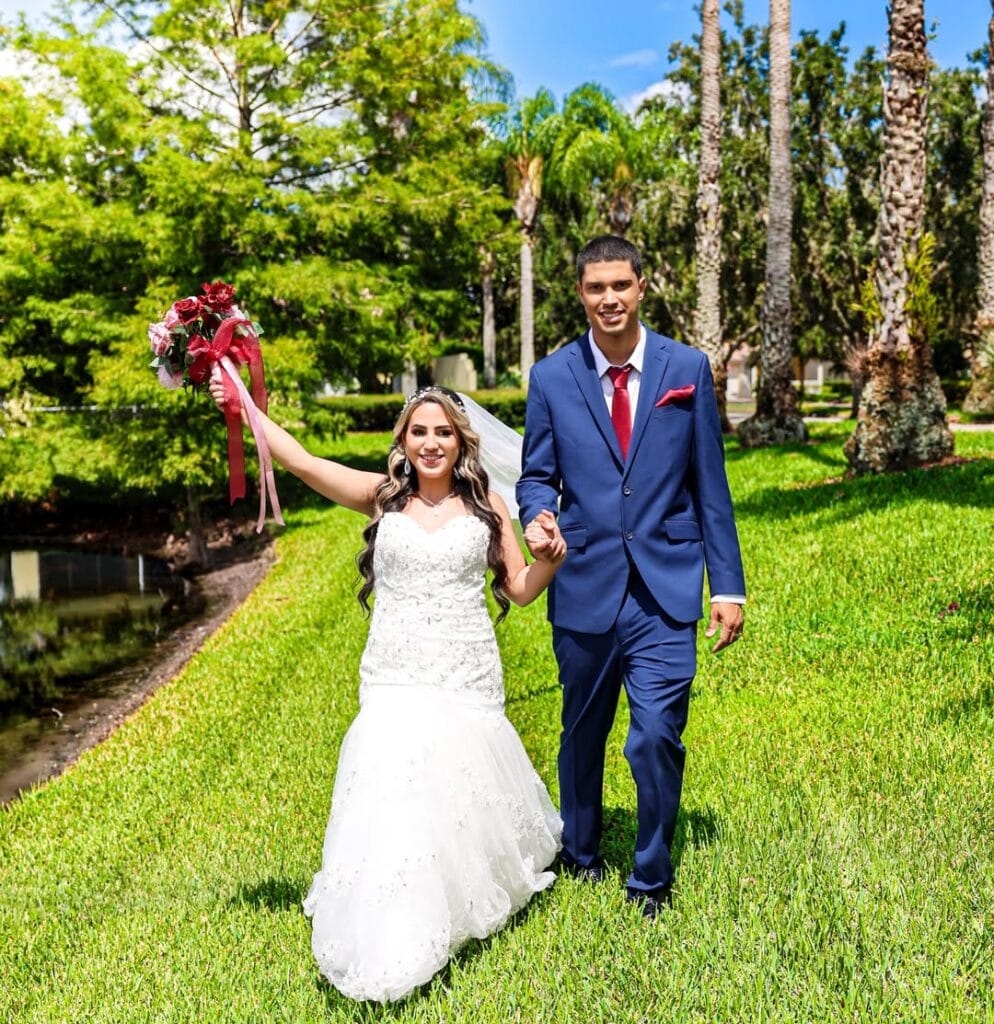
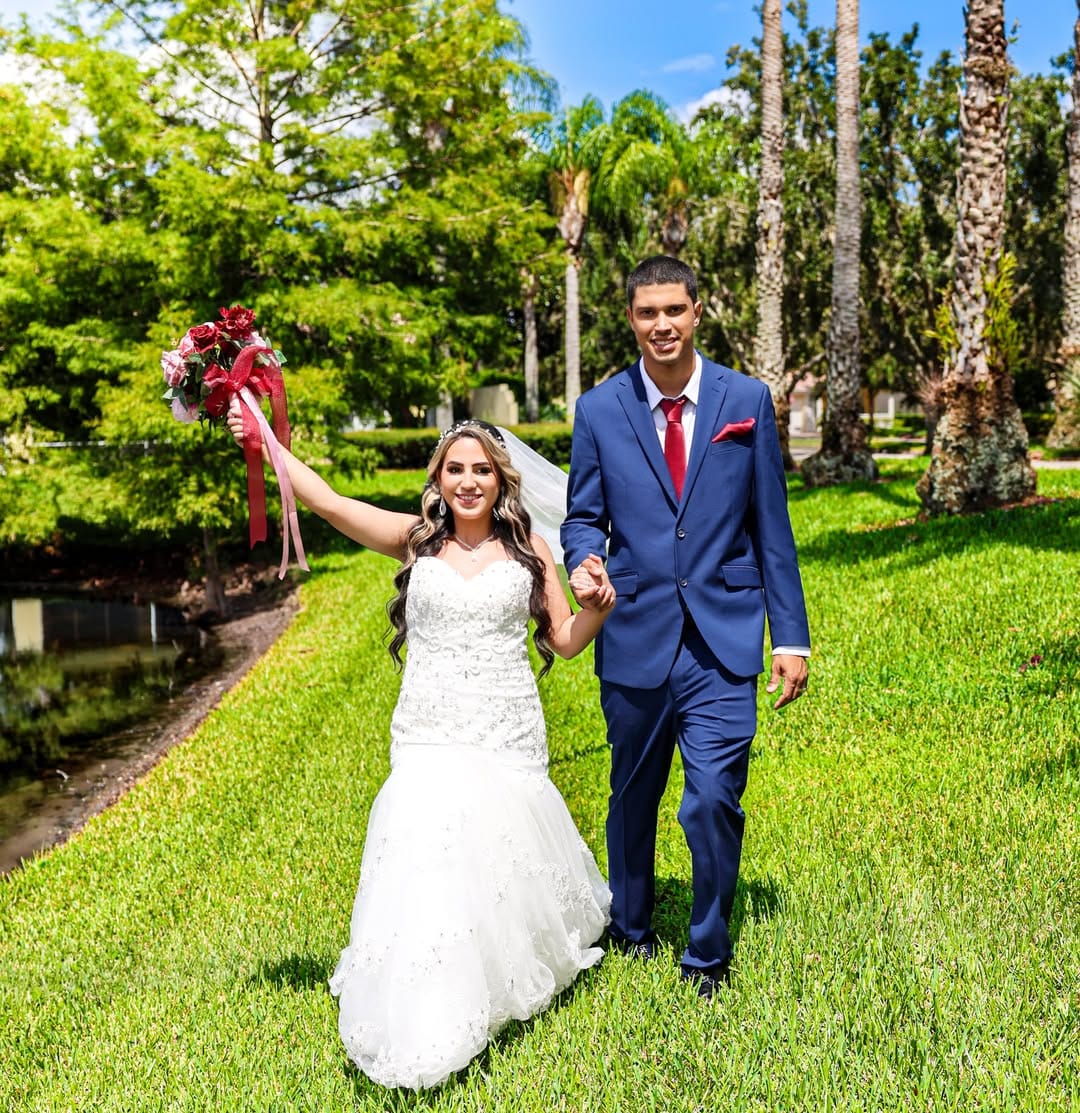
The right amount of wedding photography coverage depends on the story you want preserved, not only the number of guests or the total length of the celebration. A civil ceremony with portraits may fit into a concise window, while preparations, multiple locations and reception events need more time.
Quick answer: One hour can work for a simple civil ceremony, couple portraits and a limited number of family photographs when everything happens in one place. Three hours can cover a ceremony, newlywed and family portraits, and selected early reception moments when the schedule is compact. Six hours creates room for preparations, meaningful details, ceremony, portraits and a broader reception story. Sarlen Studios recommends reserving wedding photography ideally three to six months in advance and confirming the timeline before assuming that a particular duration will fit.
The best choice begins with the moments you consider essential. Then add realistic time for movement, venue rules, family organization and the parts of the day that cannot be repeated.
Choose Coverage by Story, Not by Guest Count Alone
A small wedding can still require several hours if it includes preparations, two locations, a ceremony, portraits and a reception. A larger gathering may fit a shorter photography window when the couple wants only a defined part of the day documented.
Before comparing coverage options, decide whether the final gallery should begin with:
- The civil or religious ceremony
- Getting-ready moments and attire
- A first look, if the couple chooses one
- Couple and family portraits
- Venue, rings, bouquet and meaningful details
Then decide where the story should end: immediately after portraits, during the early reception, after cake and speeches, or later in the celebration. Those boundaries determine the useful duration more accurately than guest count by itself.
Review the Current Wedding Coverage Structures
Sarlen Studios currently organizes wedding photography around three starting structures:
- Civil Wedding: one hour for the civil ceremony, couple portraits and photographs with family or companions.
- Ceremony & Reception: three hours for the ceremony, newlywed portraits, family and guest photographs, and defining reception details and moments.
- Wedding Story: six hours beginning with preparations and meaningful details, then continuing through the ceremony, portraits and reception coverage.
These are practical service structures, not a promise that every wedding schedule will fit them unchanged. Review the live Wedding photography options for current inclusions, prices and add-ons, then compare the actual timeline with the intended collection.
Reserve the Date Before Perfecting the Timeline
Sarlen Studios recommends booking wedding photography ideally three to six months ahead. Couples do not need a final minute-by-minute schedule before inquiring.
Begin with:
- The date and known venues
- The ceremony start time
- Whether preparations should be photographed
- The expected reception program
- The people and traditions that must be included
- Any travel between locations
Once availability and the initial coverage are confirmed, refine the timeline with the venue and other vendors. If the wedding is closer, submit an inquiry rather than assuming the date is unavailable, but the booking recommendation is not a guarantee of open dates.
When One Hour Can Be Enough
One hour is best suited to a focused civil wedding with a simple sequence and minimal movement. The ceremony, couple portraits and essential family photographs should happen in or near the same location.
A workable one-hour story may include:
- Arrival and a small number of ceremony details
- The civil ceremony
- Couple portraits
- A concise list of family and companion photographs
This window is not a fit for getting-ready coverage, extensive decor, multiple portrait locations or a reception story. Courthouse and facility rules can also affect photography, access and waiting time. Confirm the actual ceremony process before deciding that one hour will be sufficient.
What Can Fit Into Three Hours
Three hours can connect a ceremony with portraits and selected reception moments when the schedule is compact. It works best when locations are close, the ceremony begins on time and the couple has a realistic family list.
A three-hour sequence might include:
- Brief venue and ceremony details
- The ceremony
- Couple and immediate-family portraits
- Reception decor before it changes
- An entrance, toast, cake or another selected early reception moment
Getting-ready coverage is not included in the current Ceremony & Reception structure. If preparations, two distant venues or a longer reception program are essential, three hours may require sacrifices or a different coverage choice.
What Six Hours Adds to the Story
Six hours provides a broader narrative. The Wedding Story structure begins with the bride’s preparations, attire, rings, bouquet and meaningful details, then continues through portraits, ceremony, family and important guests, and defining reception moments.
The added time can reduce the need to compress every portrait into one transition. It also creates room for the visual relationship between preparations, ceremony and celebration.
Six hours still does not automatically mean full-day coverage. A long gap, distant travel or late reception activities may extend beyond the booked window. Place the essential end-of-story moment on the timeline and work backward.
Decide Whether Preparations Matter
Getting-ready photographs can include attire, rings, bouquet, final makeup or hair moments, help from important people and portraits before leaving for the ceremony. They establish context and relationships before the formal program begins.
Preparation coverage needs more than the time of the final clothing step. The room should be accessible, important details should be gathered and the principal people should know when photography begins.
If preparations are not important to the couple, coverage can begin closer to the ceremony. Make that choice intentionally rather than expecting preparation photographs to fit inside a package that begins at the ceremony.
Account for Both Partners’ Preparations
When both partners want preparation photographs in different places, travel and simultaneous timing become important. One photographer cannot be in two distant rooms at the same moment.
Possible solutions include scheduling the preparations sequentially, placing them nearby or discussing whether a second photographer is useful. A second photographer is an optional add-on subject to availability and quotation, not an automatic inclusion.
Provide the addresses, access time and planned departure for each location before the coverage plan is finalized.
Consider a First Look Only if It Fits the Couple
A first look is a private or semi-private meeting before the ceremony. Some couples use it to create time for portraits earlier; others prefer to see each other for the first time during the ceremony.
It is an option, not a requirement. If chosen, it needs a private location, travel or movement time and enough margin that the moment does not become rushed.
A first look may allow couple or wedding-party photographs before guests arrive, but it does not eliminate the need for realistic family organization and post-ceremony transitions.
Use the Real Ceremony Duration
Ask the officiant or facility how long the ceremony normally lasts and whether photography is restricted. A civil appointment, church ceremony and personalized outdoor ceremony can have very different timing.
Include:
- Guest seating and processional timing
- The ceremony itself
- Signing or administrative steps
- The recessional and greetings immediately afterward
- Any restrictions on movement, flash or positioning
Do not build portraits to begin at the exact minute a ceremony is scheduled to end. Greetings and movement usually happen before the portrait area is ready.
Protect Time for Couple Portraits
Couple portraits need a defined window rather than whatever time remains after family photographs. Identify the location, travel and the amount of privacy available.
The portrait window can be divided when useful: a focused session after the ceremony and a shorter opportunity later when the light or atmosphere changes. Any outdoor plan should use the actual date, location and forecast rather than a generic assumption about sunset.
Keep expectations proportional. A few minutes near the venue cannot produce the same variety as a longer portrait window at a separate location.
Make the Family Portrait List Realistic
Family photographs often take longer than expected because people must be located, arranged and moved between combinations. Prepare an ordered list before the wedding and put essential groups first.
Assign a helper from each family who knows the participants. Tell the photographer privately about sensitive relationships or combinations that should remain separate.
A concise list protects couple portraits and reception coverage. If the couple wants extensive combinations with a large extended family, add appropriate time rather than assuming they will happen instantly.
Include Travel as Photography Time
Coverage continues while the photographer moves between preparation, ceremony, portrait and reception locations. Travel, parking, security and equipment access reduce the time available for photographs.
For every transition, record:
- Exact address and entrance
- Realistic driving time for the wedding date
- Parking or loading procedure
- Walking distance from parking to the photography area
- Access, admission or permit requirements
- A contact at the destination
Do not use the ideal map estimate as the complete transition. Loading, greetings and venue access also require time.
Choose Which Reception Moments Define the Ending
A reception may include entrances, dinner, toasts, formal dances, cake, entertainment and open dancing. Photography does not need to cover every minute for the story to feel complete, but the ending should be deliberate.
Ask which event should be the last essential photograph. Then make sure it happens before coverage ends. If cake or speeches are important, do not place them after the photographer’s departure.
Coordinate with the venue, planner and DJ so the schedule shared with the photographer matches the program used on the day.
Avoid Long Unphotographed Gaps Inside Coverage
A long gap between ceremony and reception may consume the booked time without adding to the gallery. Consider whether the coverage should continue through that period, whether portraits can use it or whether the overall service needs adjustment.
Do not assume that photography can pause and restart later unless that arrangement is explicitly confirmed. The booked window and travel expectations should be clear in the final agreement.
Decide Whether a Second Photographer Is Useful
A second photographer may help when preparations occur simultaneously, the ceremony has restricted movement, the venue is large or multiple important reactions happen in different places.
It is not automatically required for every wedding. Share the guest count, venue layout, schedule and desired perspectives so Sarlen Studios can evaluate the need. Availability and additional time must be confirmed before the wedding.
Plan Around Orlando Weather and Light
Outdoor ceremonies and portraits in Central Florida should have a practical alternative for heat, humidity, wind and rain. Monitor the current forecast close to the date and confirm who decides whether the ceremony or portraits move.
For light-dependent portraits, check the actual sunset for the wedding date and location during planning. Buildings, trees and venue rules may affect usable light before the published sunset time.
Prepare walking footwear, water, gown handling and a covered option where appropriate. Weather flexibility should protect the people and schedule, not only the visual idea.
Prioritize Details With Meaning
Rings, attire, bouquet, invitations, family jewelry and decor can help connect the parts of the wedding story. Gather important portable details before the photographer arrives during a package that includes preparations.
Explain the significance of a subtle object. A small inherited item may deserve more attention than a larger decoration that has no personal meaning.
When coverage begins at the ceremony, there may be limited time to create a complete preparation-detail sequence. Align the detail list with the selected coverage.
Use Priorities to Resolve Timeline Conflicts
Classify photographs as essential, important or optional:
- Essential: moments and people that must fall inside the coverage.
- Important: photographs expected when the schedule proceeds normally.
- Optional: ideas that can be released if weather, travel or timing changes.
When the timeline becomes compressed, protect the essential story rather than trying to rush every item equally.
Illustrative Coverage Sequences
Focused civil wedding
Ceremony details and arrival → civil ceremony → couple portraits → concise family and companion list.
Ceremony and early reception
Venue details → ceremony → family portraits → newlywed portraits → reception decor → selected entrance, toast, cake or other defining early moment.
Wedding story beginning with preparations
Attire, rings, bouquet and preparations → preparation portraits → ceremony → family and couple portraits → reception details and defining program moments.
These sequences show narrative order, not guaranteed minute allocations. The real schedule must account for ceremony length, locations, family list, venue access and the couple’s priorities.
A Wedding Photography Timeline Checklist
- We know where the photography story should begin and end.
- The selected coverage contains every essential moment.
- Preparation locations and participants are confirmed.
- The ceremony duration and photography restrictions are documented.
- Couple portraits have a protected window and realistic location.
- The family list is ordered and supported by designated helpers.
- Travel, parking, access and walking time are included.
- The final essential reception moment occurs before coverage ends.
- The planner, venue and DJ have the same timeline.
- Weather alternatives and date-specific light were considered.
- Additional coverage or a second photographer is confirmed in advance when needed.
For a broader venue, access, people and vendor checklist, read An Orlando Event Photography Planning Checklist.
Frequently Asked Questions
Is one hour enough for wedding photography?
It can be enough for a simple civil ceremony, couple portraits and a concise family list in one location. It is not designed for preparations, several portrait locations or reception coverage.
What can three hours of wedding photography cover?
Three hours can cover a compact ceremony, newlywed and family portraits, and selected early reception moments. Travel, ceremony length and the portrait list determine what fits. The current Ceremony & Reception structure does not include getting-ready coverage.
Is six hours considered full-day coverage?
Not automatically. Six hours can create a fuller story from preparations through ceremony, portraits and meaningful reception moments, but a long wedding day may extend beyond that window.
How much time should we allow for family photographs?
It depends on the number and size of combinations and how quickly guests can be gathered. Prepare an ordered list, use family helpers and add time for extensive group requirements.
Do we need a second photographer?
Not every wedding does. A second photographer may be useful for simultaneous preparations, a large or restricted venue, or competing moments. It is an optional add-on subject to availability and quotation.
How far in advance should we book a wedding photographer in Orlando?
Sarlen Studios recommends booking ideally three to six months in advance. Inquire earlier for limited dates or complex plans, and still ask about availability when the wedding is closer.
Plan Wedding Photography in Orlando
The right duration is the one that protects the beginning, middle and ending you want to remember. Define the essential moments, include the real ceremony and travel time, and choose coverage that lets the wedding remain a celebration rather than a race between photographs.
Explore current Wedding photography options, browse the Sarlen Studios Portfolio, and learn more about Alejandro’s approach to preparation and direction.
When the date, venues and first version of the timeline are ready, start a Wedding photography inquiry with Sarlen Studios.
Keep reading
Related guidance.
Ready when you are
Turn preparation
into photographs.
Tell us what you are planning, who will be photographed and the date you have in mind. Sarlen Studios will personally review the inquiry and help shape the next steps.
Begin your inquiry View related work