

Events & Weddings
An Orlando Event Photography Planning Checklist
Plan event photography in Orlando with a practical checklist for schedules, priorities, guests, venue access, lighting, details and coverage time.
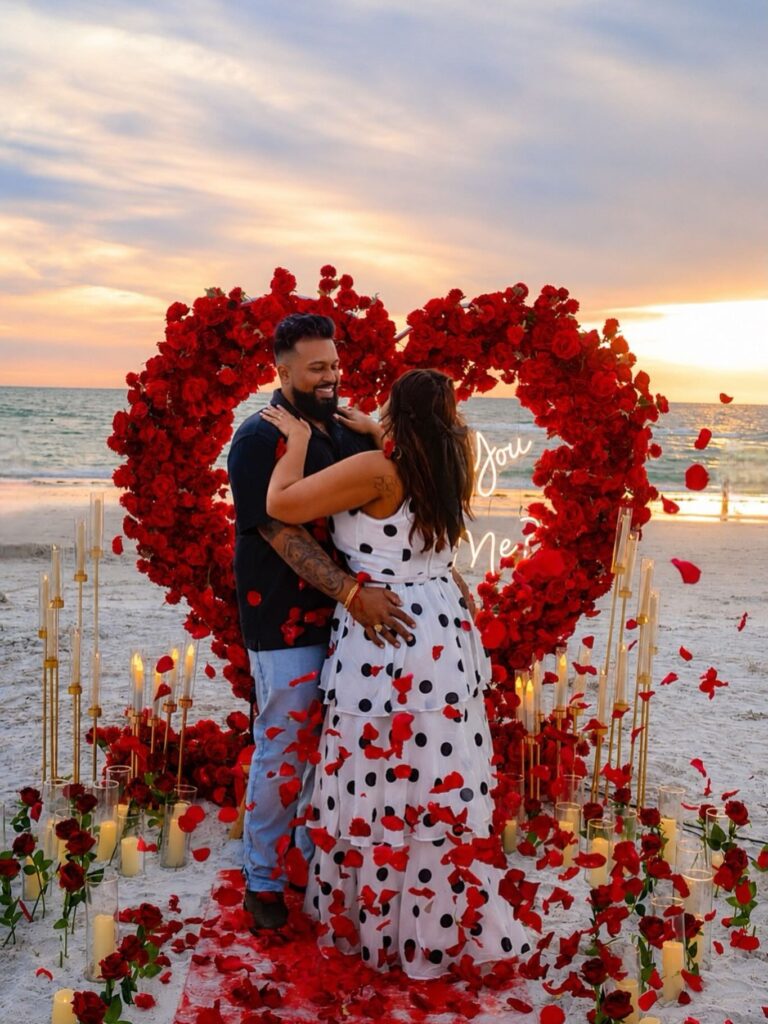
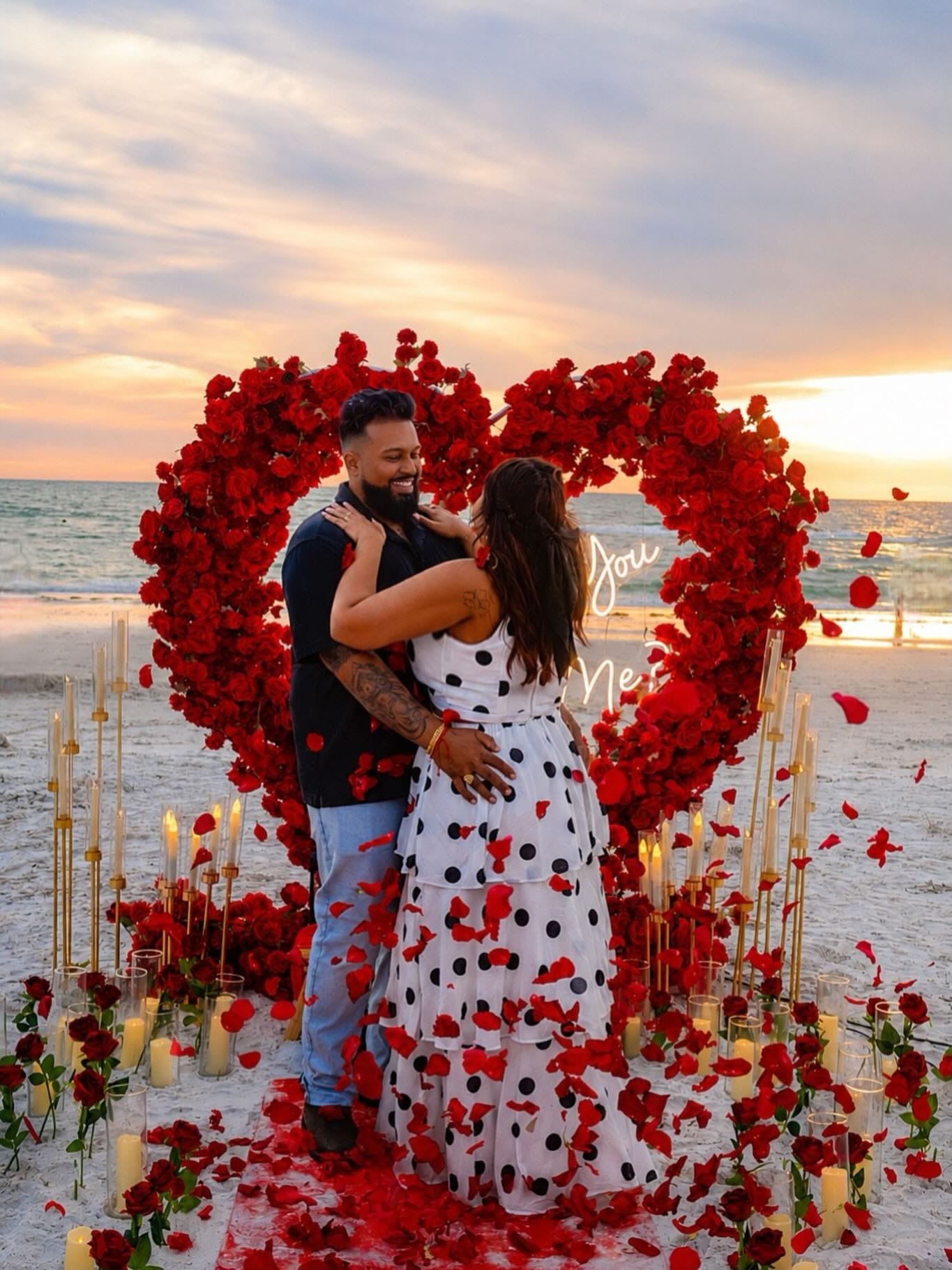
Event photography works best when the photographer knows what cannot be repeated, who matters most and how the celebration will move through the venue. A useful plan protects those priorities without turning the event into a continuous portrait session.
Quick answer: Plan event photography in Orlando by confirming the venue and schedule, identifying the defining moments, organizing a short list of essential people and details, and placing those priorities inside the booked coverage window. Sarlen Studios recommends reserving Social Event coverage about three to four weeks in advance, subject to availability. Share access, lighting, parking, weather and coordinator information before the event rather than solving those details after photography has begun.
This checklist is designed for baby showers, baptisms, anniversaries, proposals, family gatherings and private celebrations. Weddings and quinceañeras require their own timelines because their ceremonies, traditions and coverage structures are different.
Confirm the Type and Purpose of the Event
Begin with a clear description of the celebration. A quiet baptism lunch, surprise proposal and large anniversary party do not need the same photography plan.
Share:
- The type of event and reason for gathering
- The date, venue and expected guest count
- The hosts and people being celebrated
- The formal program, if one exists
- The atmosphere the photographs should preserve
- How the final images are expected to be used
This information helps distinguish documentary coverage from a request that is primarily a portrait session. If the priority is a planned birthday set with guided posing and outfits, use the guide to planning a birthday photoshoot in Orlando and compare that service with event coverage.
Reserve the Photographer Before Finalizing the Shot List
Sarlen Studios recommends booking Social Event coverage about three to four weeks ahead. Availability may be more limited on popular dates or when the event requires travel, restricted access or coordination with several vendors.
You do not need a finished schedule before making the inquiry. Begin with the date, venue, approximate event hours and major activities. Once availability and the service are confirmed, refine the photography priorities around the booked coverage.
Review the current Social Events photography service for duration, deliverables, additional coverage and optional second-photographer information. Keep prices and current inclusions on Services rather than relying on an older copy of this planning guide.
Build the Timeline Around Fixed Moments
List anything with a fixed start time or outside authority. This may include venue access, a ceremony, guest arrival, meal service, entertainment, speeches, cake or the required end of the event.
Place flexible photography tasks around those commitments. Decor photographs can usually happen before guests enter. Host and family portraits may fit before the formal program or during a transition. Candid coverage follows the actual event rather than a rigid list.
Do not schedule two important activities at once. If speeches begin while family portraits are still happening, one of those stories will be incomplete.
Work Within the Booked Coverage Window
An event may last longer than the photography service. Identify what must occur while the photographer is present and make sure the venue or coordinator understands that window.
Work backward from the last essential moment. If a cake cutting, proposal, announcement or group portrait must be covered, it cannot be placed after the confirmed photography end time.
When the schedule does not fit, adjust the program or discuss additional coverage before the event. Added time and a second photographer remain subject to availability and the final agreement; they should not be assumed on the day.
Divide Photography Priorities Into Three Levels
A long unranked shot list does not explain what matters most. Use three levels:
- Essential: moments, people and details that define the event.
- Important: photographs expected when the schedule proceeds normally.
- Optional: ideas that can be released if timing, weather or venue activity changes.
Keep the essential list short. Documentary coverage also needs room for interactions and unexpected moments that cannot be predicted in a planning document.
Provide the Complete Venue Information
Send the exact address, room or entrance, parking instructions and a reliable onsite contact. If the event moves between spaces, include the order and realistic travel time.
Ask the venue about:
- Photography or equipment restrictions
- Access time before guests arrive
- Parking and loading procedures
- Rules for ceremonies or private areas
- Available portrait and detail locations
- Whether lighting changes during the event
Do not assume that a public-looking venue allows unrestricted professional photography. Access, admission and permits should be confirmed with the responsible location.
Designate One Event Contact
The host should not have to answer every operational question while greeting guests. Designate one person who knows the schedule, family and venue.
This contact can:
- Tell the photographer when the program changes
- Identify important relatives and participants
- Coordinate with the venue, DJ or planner
- Gather people for planned group photographs
- Confirm when a surprise or announcement will begin
Provide the contact’s name and phone number before the event, with that person’s knowledge.
Explain the Lighting Plan
Venue lighting affects the visual character and technical preparation for photographs. Share recent photographs of the room when possible and tell the photographer whether the event will include dim lighting, strong colored lights, candles, projections, haze or rapid lighting changes.
Ask when the venue shifts from setup lighting to event lighting. Decor photographed under bright preparation lights may look different after the room changes for guests.
The photographer will determine appropriate photographic equipment, but advance information reduces surprises. It does not guarantee that every lighting effect will reproduce exactly as it appears to the eye.
Protect Time for Decor and Details
Decor is easiest to photograph after setup is complete and before guests place personal items on tables or move through the space. Coordinate a short access window when the room is ready.
Identify meaningful details instead of requesting an exhaustive catalog:
- Invitation or event stationery
- Flowers and principal decor
- Cake, desserts or a signature table
- Family photographs or memorial details
- Personalized favors or guest items
- Objects connected to the ceremony or announcement
Tell the photographer when an item has special meaning. A visually small object may deserve priority because of its role in the family story.
Prepare a Short People List
The photographer can document interactions throughout the event, but cannot identify every important relationship without help. Prepare a concise list of hosts, honorees, immediate family and essential guests.
Include names and relationships where helpful. Note mobility considerations or a guest who must leave early, without sharing unnecessary private information.
A people list should guide attention, not become a request for individual portraits of every attendee. If comprehensive guest photographs are required, discuss the expectation and time before booking.
Organize Formal Group Photographs
Formal family and guest combinations can consume a large portion of a short event when they are improvised. Write the combinations in order and place the largest or most important group early.
Choose a helper who knows the guests and can call the next group. The photographer manages composition and light; the helper makes sure the correct people are present.
Select a location that does not block service, entrances or other vendors. If the group area must be cleared or furniture moved, coordinate that with the venue before the photography window begins.
Separate Candid Coverage From Posed Requests
Candid photographs depend on observation and timing. Posed photographs require gathering people, arranging them and briefly directing attention. Both can belong in one event gallery, but they compete for time when the formal list becomes too long.
Decide which group photographs are truly essential and allow the rest of the coverage to follow interactions. Do not ask the photographer to interrupt every conversation for a camera-facing image if natural atmosphere is part of the goal.
Map the Defining Moments
Tell the photographer what will happen, approximately when and where. Depending on the event, defining moments may include:
- A guest of honor arriving
- A proposal or surprise announcement
- A baptism or family ceremony
- Speeches, blessings or toasts
- Gift opening or a meaningful presentation
- Cake cutting or candles
- A first dance or planned performance
- A group activity involving important guests
Only include moments that are actually part of the program. The list is not a template that every celebration must follow.
Prepare Surprises Without Making Them Fragile
For a proposal, entrance or surprise guest, share the plan privately with the photographer. Identify where the principal people will stand, who gives the signal and what happens immediately afterward.
Build a simple plan that still works if someone arrives from a slightly different direction. Overly precise staging can make a genuine moment vulnerable to traffic, guests or venue changes.
Make sure the relevant venue or coordinator knows what access and positioning are required. The photographer cannot authorize a setup on behalf of the location.
Coordinate Speeches and Announcements
Provide the speaker order and expected location. Ask speakers to use the designated area rather than beginning from an unknown table when possible.
A microphone, podium or open space helps identify where attention will be directed. Avoid scheduling meal service, large group portraits or cake movement during important remarks.
If the announcement depends on a reaction from a specific person, tell the photographer where that person will be seated or standing.
Plan for Children and Older Relatives
Schedule essential family photographs while the people involved are present and comfortable. Young children and older relatives may not remain for the entire event or may need a quieter, accessible location.
Keep group combinations efficient and explain any mobility limitation that affects standing, stairs or travel across the venue. The plan can then use a practical location and order without drawing unnecessary attention during the event.
Consider Orlando Weather and Travel
For outdoor celebrations or events that move between spaces, monitor the current forecast near the date. Heat, humidity, wind and rain may affect guest comfort, decor, portraits and travel time.
Clarify:
- Which parts of the event are outdoors
- Whether a covered alternative exists
- How long it takes to move between locations
- Where guests and vendors should park
- Whether outdoor portraits can happen before the program
Do not rely on a seasonal assumption in place of the current forecast and the venue’s actual weather plan.
Decide Whether a Second Photographer Is Useful
A second photographer may help when important activities happen simultaneously, the venue has separated spaces or the guest count and program create competing priorities. It is not automatically necessary for every event.
Describe the schedule and venue layout so Sarlen Studios can evaluate the need. A second photographer is an optional addition subject to availability and quotation, not an inclusion to add on the event day without prior confirmation.
Communicate Privacy and Sensitivity Concerns
Tell the photographer before the event about guests who should not be photographed, private activities, restricted spaces or moments the family does not want shared publicly.
The host should also communicate relevant event expectations to guests and obtain any permissions required for the event’s intended use. Photography and promotional-use terms should follow the signed agreement rather than an assumption based on social media.
For baptisms, private venues or other ceremonies, confirm whether the officiant or facility restricts movement, flash or photography during particular moments.
Prepare a Final Vendor Timeline
Send the photographer the same final schedule used by the venue, planner, DJ or coordinator. Conflicting versions create avoidable gaps.
Include:
- Vendor and venue access
- Guest arrival
- Formal program and speaker order
- Meal, cake and entertainment timing
- Planned portraits or group photographs
- Coverage start and end
- The designated contact
Send meaningful revisions rather than assuming the photographer will learn about changes on arrival.
A Practical Event Photography Timeline
Three to four weeks before
Check availability, share the date, venue, event type, approximate schedule and essential moments. Discuss the appropriate coverage and whether added time or a second photographer may be useful.
One to two weeks before
Provide the developing timeline, people list, venue restrictions, outdoor plan and important details. Identify the onsite contact and formal group photographs.
Two to three days before
Send the final vendor timeline, speaker order and meaningful changes. Confirm access, parking, photography start time and the current weather plan.
On the event day
Make details available before guests move them, keep essential people informed about portraits and have the designated contact communicate schedule changes. Allow the photographer to follow the real atmosphere after the planned priorities are protected.
Orlando Event Photography Checklist
- The event type, purpose, venue and guest count are clear.
- Coverage is reserved and the confirmed window contains essential moments.
- Fixed activities do not conflict with portraits or each other.
- Venue access, parking, restrictions and lighting are documented.
- One informed event contact is designated.
- Details are prioritized and available before guests move them.
- The people list and formal group list are short and ordered.
- Surprises, speeches and announcements have clear locations and signals.
- Weather and travel alternatives are understood.
- Privacy concerns and ceremony restrictions were shared in advance.
- The photographer received the final vendor timeline.
Frequently Asked Questions
How far in advance should I book event photography in Orlando?
Sarlen Studios recommends booking Social Event coverage about three to four weeks in advance, subject to availability. Inquire earlier for popular dates, complex schedules, multiple locations or events that may need a second photographer.
How much event coverage do I need?
List the essential moments and place them on the actual schedule. The appropriate duration depends on how long those moments span, venue movement and formal portrait needs. Review current coverage options on Services and discuss additional time before the event.
Do I need a detailed shot list?
You need a concise list of essential people, details and scheduled moments. A list of every possible candid photograph is less useful because documentary coverage must respond to what actually happens.
Can the photographer take portraits of every guest?
Do not assume complete individual coverage of every attendee. Share the guest count and required portrait expectations during planning so the time and service can be evaluated accurately.
When should decor photographs happen?
Ideally after setup is complete and before guests enter or place items throughout the venue. Coordinate access with the venue and decor team rather than delaying the event to recreate an empty room later.
Is this checklist suitable for weddings?
Some principles apply, but weddings require a dedicated plan for preparations, ceremony, couple and family portraits, reception events and the selected coverage package. Review how much time to set aside for wedding photography and the Weddings service instead of treating a wedding as a general social event.
Plan Event Photography in Orlando
A thoughtful event plan protects the people and moments that matter while leaving room for genuine interaction. Confirm the fixed schedule, communicate priorities and let the coverage respond to the celebration rather than forcing every minute into a pose.
Explore current Social Events photography options, browse real Sarlen Studios work in the Portfolio, or learn more about Alejandro’s preparation and direction.
When the date, venue and initial schedule are ready, start a Social Events inquiry with Sarlen Studios.
Keep reading
Related guidance.
Ready when you are
Turn preparation
into photographs.
Tell us what you are planning, who will be photographed and the date you have in mind. Sarlen Studios will personally review the inquiry and help shape the next steps.
Begin your inquiry View related work