

Planning Guides
How to Feel Comfortable in Front of the Camera
Feel more comfortable in front of the camera with practical preparation, clear communication, simple movement and guided posing before your photo session.
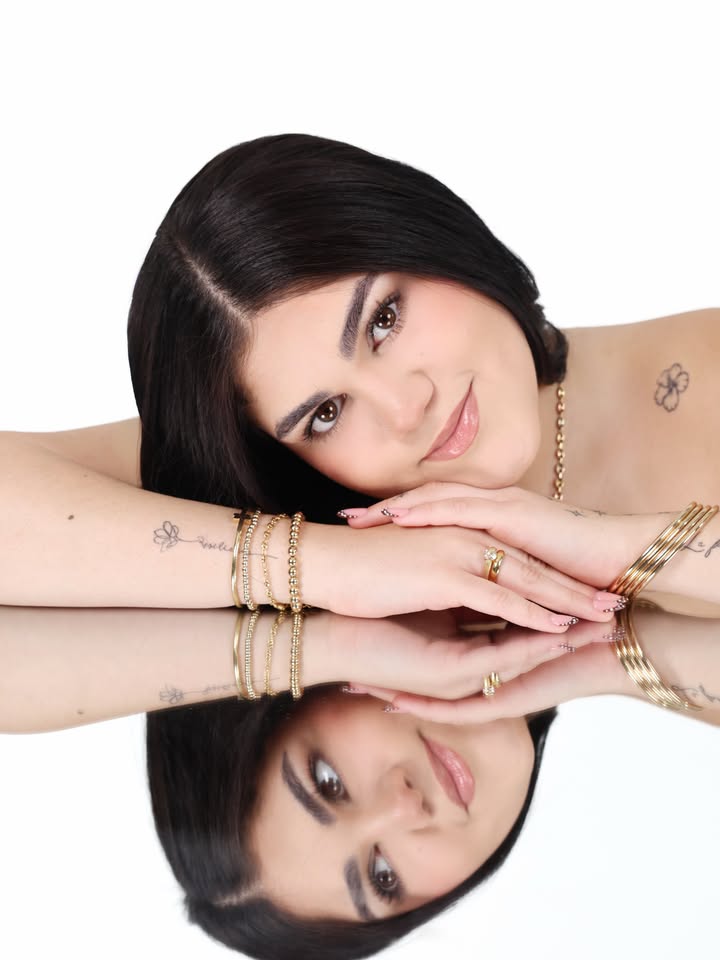
Feeling uncomfortable in front of a camera does not mean you are bad at photos. For many people, a photography session is simply unfamiliar: there is more attention on posture, expression and movement than there would be in an ordinary conversation.
Quick answer: You do not need to arrive knowing how to pose. You can feel more comfortable by discussing your goals and concerns before the session, wearing something familiar, choosing a setting that suits you and following one clear direction at a time. A photographer should guide your position, hands, movement and expression instead of expecting you to perform without help.
The goal is not to eliminate every moment of self-consciousness. It is to create enough clarity and momentum that the camera becomes less important than the person, interaction or purpose being photographed.
Start With the Purpose of the Photographs
It is easier to make decisions in front of the camera when you know what the images need to communicate. A professional portrait, maternity session, birthday celebration and family session each have a different purpose. They should not all require the same expression or energy.
Before the session, consider:
- Where the photographs will be used or displayed
- Who should be included
- Whether the result should feel polished, joyful, quiet, editorial or informal
- Which details or relationships matter most
- What you do not want the session to feel like
You do not need to design every image. A short description of the desired feeling gives the photographer a useful direction while leaving room for natural moments.
Share Your Concerns Before the Session
Tell the photographer if you are nervous, have never had a professional session or are concerned about a particular part of the process. This information is useful, not embarrassing. It allows the photographer to explain what will happen and adjust the pace or type of direction.
Also share practical considerations that could affect a pose or location. These may include limited mobility, a recent injury, sensitivity to heat, a preference for more privacy or a boundary about how you want to be photographed. You do not need to provide private medical details. Explain only what the photographer needs to plan the session respectfully.
If you have a preferred side, a feature you would like to emphasize or something that often makes you dislike photographs of yourself, mention it during planning. The conversation should be specific enough to guide the session without turning the entire experience into a search for imperfections.
Choose a Setting That Supports You
The right setting can reduce distractions before posing even begins. A studio offers privacy, controlled light, predictable temperature and fewer people nearby. An outdoor location can provide movement, space and a less formal atmosphere, but it may also involve weather, walking and public activity.
Neither option is automatically more comfortable. Think about where you can listen, move and interact without becoming preoccupied with the environment. If you are deciding between the two, compare the practical differences in Studio or Outdoors? Choosing the Right Setting for Your Photo Session.
Wear Clothing You Can Stop Thinking About
Clothing affects comfort most when it demands constant attention. An outfit that shifts, pulls, wrinkles immediately or feels unlike you can make every change of position feel more complicated.
Choose pieces that fit while sitting, standing and moving your arms. Try the complete outfit in advance, including shoes, underlayers and accessories. Then take a few ordinary phone photographs from different angles. The purpose is not to judge your appearance. It is to notice practical issues such as a collar that moves, a pocket that opens or a layer that needs repeated adjustment.
For an individual business portrait, the guide to what to wear for professional portraits in Orlando covers fit, color, formality and studio or outdoor considerations in more detail.
Arrive With Enough Margin
Rushing directly from traffic into the first photograph can make the beginning feel more demanding than it needs to be. Confirm the address, parking plan, start time and what you need to bring. Aim to arrive with enough margin to organize clothing and complete any final touch-ups without delaying the session.
Do not arrive so early that you interrupt another appointment or spend a long time waiting. Follow the arrival instructions provided during planning. The useful margin is simply enough to begin settled rather than hurried.
You Do Not Need to Know How to Pose
Posing is not a test the client must pass. Clear photographic direction can break one complicated-looking pose into small decisions: where to place your feet, how to shift your weight, what to do with your hands and where to direct your attention.
Listen for one instruction at a time. There is no need to anticipate the next pose or hold your entire body perfectly still. If a direction is uncomfortable or confusing, say so. A useful adjustment should be understandable and physically workable for you.
Begin with a simple position
Standing, sitting or walking naturally provides a stable starting point. From there, small changes in shoulders, chin, hands or weight can create variety without requiring a completely new pose every few seconds.
Give your hands a purpose
Hands often feel awkward only because there is no clear task for them. They can rest lightly on a jacket, hold an object connected to the session, touch a partner’s hand or remain relaxed beside the body. The exact choice depends on the framing and story. Avoid forcing a position that you cannot maintain comfortably.
Move between photographs
Small movement can prevent posture and expression from becoming rigid. Walking a few steps, adjusting a sleeve, turning toward someone or changing where your weight rests can create a natural transition. The photographer can refine that movement for the light and composition.
Focus on an Action Instead of Trying to Look Natural
“Act natural” is difficult advice because it gives you nothing concrete to do. A simple action is easier to follow. You might walk toward a family member, look at a person beside you, adjust a jacket, hold a bouquet or pause before turning toward the camera.
For couples and families, interaction can be more useful than asking everyone to maintain the same expression. A conversation, shared movement or attention toward a child creates something real to respond to. The photographer can still arrange the group so faces, light and important details remain visible.
Let Expressions Change
A good session does not require one continuous smile. Neutral, thoughtful, warm and energetic expressions can all belong in the same gallery when they fit the subject and purpose.
Give each expression time to settle. If your face begins to feel fixed, release it, look away for a moment and return to the direction. Brief pauses are part of the process. They are not evidence that the session is going poorly.
When a smile is appropriate, think about a person, event or idea connected to the photograph rather than concentrating only on the shape of the smile. A genuine point of attention often creates a more coherent expression than repeatedly telling yourself to look relaxed.
Use Small Pauses to Reset
You are allowed to pause. Take an ordinary breath, relax your jaw and shoulders, and listen for the next direction. These simple resets can help separate one setup from another and keep you from carrying tension through the entire session.
If you need water, a clothing adjustment or a moment out of a difficult position, communicate it. The session should be thoughtfully paced, but the available time still matters. Short, purposeful pauses protect the flow better than staying silent while a preventable issue becomes distracting.
Do Not Evaluate Every Moment While It Is Happening
A final photograph is one selected instant, not a record of every transition between poses. Blinks, half-finished movements and temporary expressions are normal parts of making photographs. They do not define the final gallery.
Try not to decide that the session is unsuccessful based on how one position feels. A pose can feel unfamiliar because you do not normally observe yourself from the photographer’s angle. If something is physically uncomfortable, speak up; otherwise, allow the photographer to evaluate the composition and guide the adjustment.
Prepare Children Without Asking Them to Perform
Children do not need to practice a perfect smile. Explain in simple terms that the family will spend time together while a photographer makes pictures. Bring any essential comfort item discussed during planning, but avoid introducing many distractions at once.
Adults can help by following directions calmly and allowing the photographer to work with the child’s attention. Repeatedly asking a child to smile at the camera can make the experience feel like a performance and pull their attention in several directions.
For timing, expectations, clothing and child-specific preparation, use the more detailed guide on how to prepare for a family photo session in Orlando.
Approach a Professional Portrait as a Conversation
A professional portrait may feel more exposed because there is no group interaction to divide your attention. Give yourself a clear point of focus: the person you want the image to reach, the role it needs to support or the message it should communicate.
The photographer can vary direct eye contact with off-camera attention, seated and standing positions, and more polished or conversational expressions. You do not need to create an exaggerated professional persona. The objective is a credible photograph aligned with how you want to present your work.
Bring References for Direction, Not Duplication
A small set of reference images can help explain mood, framing or styling. Choose examples because they communicate something useful, not because you expect to reproduce another person’s face, body, location or exact result.
Explain what you like in each reference: perhaps the quiet expression, loose movement, clean background or close composition. This gives the photographer information that can be adapted to your session and to the real light, setting and people involved.
A Simple Before-the-Session Checklist
- I know the purpose and general mood of the photographs.
- I have shared relevant concerns, preferences and physical boundaries.
- The selected setting supports the privacy, movement and pace I need.
- My clothing fits comfortably while sitting, standing and moving.
- I know the address, arrival instructions and what to bring.
- I understand that I will receive posing and expression direction.
- I have a small number of useful references, if needed.
- I will speak up if a position is uncomfortable or unclear.
Frequently Asked Questions
What if I have never had professional photos taken?
Tell the photographer during planning. You should receive clear preparation information and direction during the session. Previous modeling or photography experience is not required for a portrait, family, maternity or celebration session.
Do I need to practice posing?
No. It can help to notice which side you prefer or which expressions feel familiar, but you do not need to memorize poses. Direction should respond to the light, framing, clothing, setting and purpose of your actual session.
Where should I look during the session?
Sometimes directly into the camera, sometimes toward another person or object, and sometimes slightly away. The photographer should tell you where to direct your attention for each setup.
What should I do with my hands?
Keep them relaxed until you receive direction. Depending on the photograph, they may rest naturally, interact with clothing or an object, or connect with another person. Avoid repeatedly changing them without knowing what the current composition needs.
What if the first few minutes feel awkward?
That is not unusual in an unfamiliar process. The first setup can be used to understand directions, light and pace. Continue communicating, follow one adjustment at a time and allow the session to build gradually.
Is a studio or outdoor session better if I feel nervous?
Choose based on what makes the process easier for you. A studio offers privacy and predictability; an outdoor setting may feel more active and informal. Consider weather, public activity, movement, changing space and the intended visual result before deciding.
Plan a Session With Clear Direction
Comfort in front of the camera is not something you have to bring fully formed. Preparation, honest communication and clear direction can make the process easier to understand from the first setup to the final frame.
Learn more about Alejandro’s approach at Sarlen Studios, compare the available photography services and view real sessions in the Portfolio.
When you are ready to discuss the purpose, setting and pace of your session, start an inquiry with Sarlen Studios.
Keep reading
Related guidance.
Ready when you are
Turn preparation
into photographs.
Tell us what you are planning, who will be photographed and the date you have in mind. Sarlen Studios will personally review the inquiry and help shape the next steps.
Begin your inquiry View related work