
Portraits & Birthdays
What to Wear for Professional Portraits in Orlando
Plan what to wear for professional portraits in Orlando, from color and fit to layers, accessories and choosing looks for a studio or outdoor session.
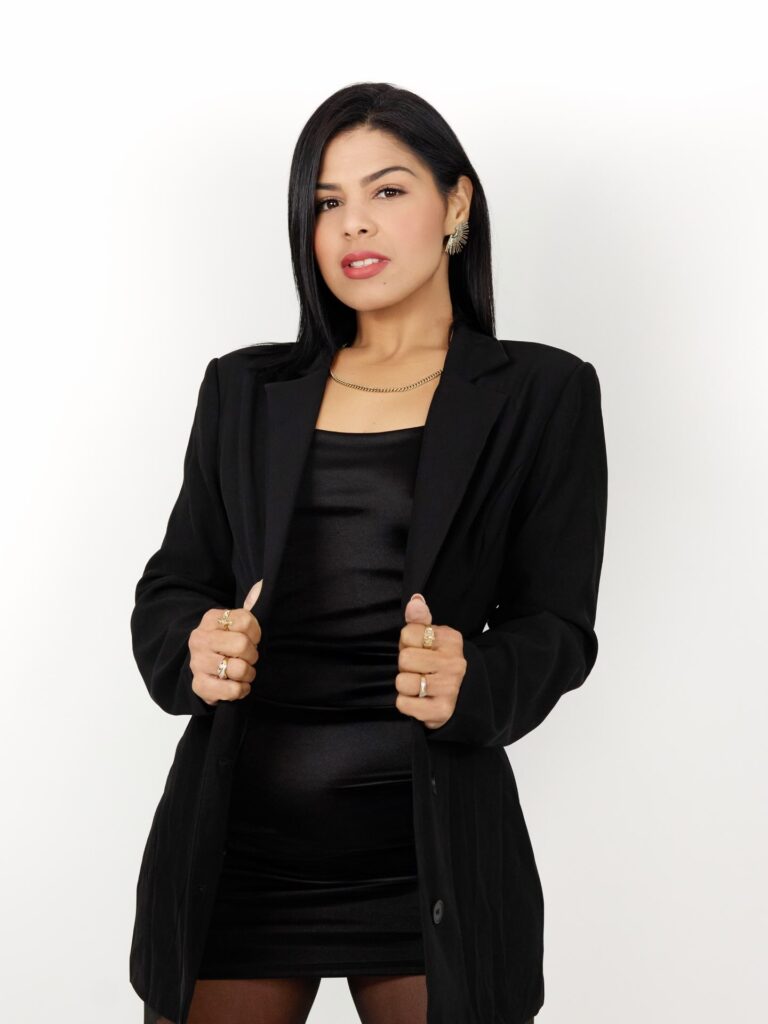
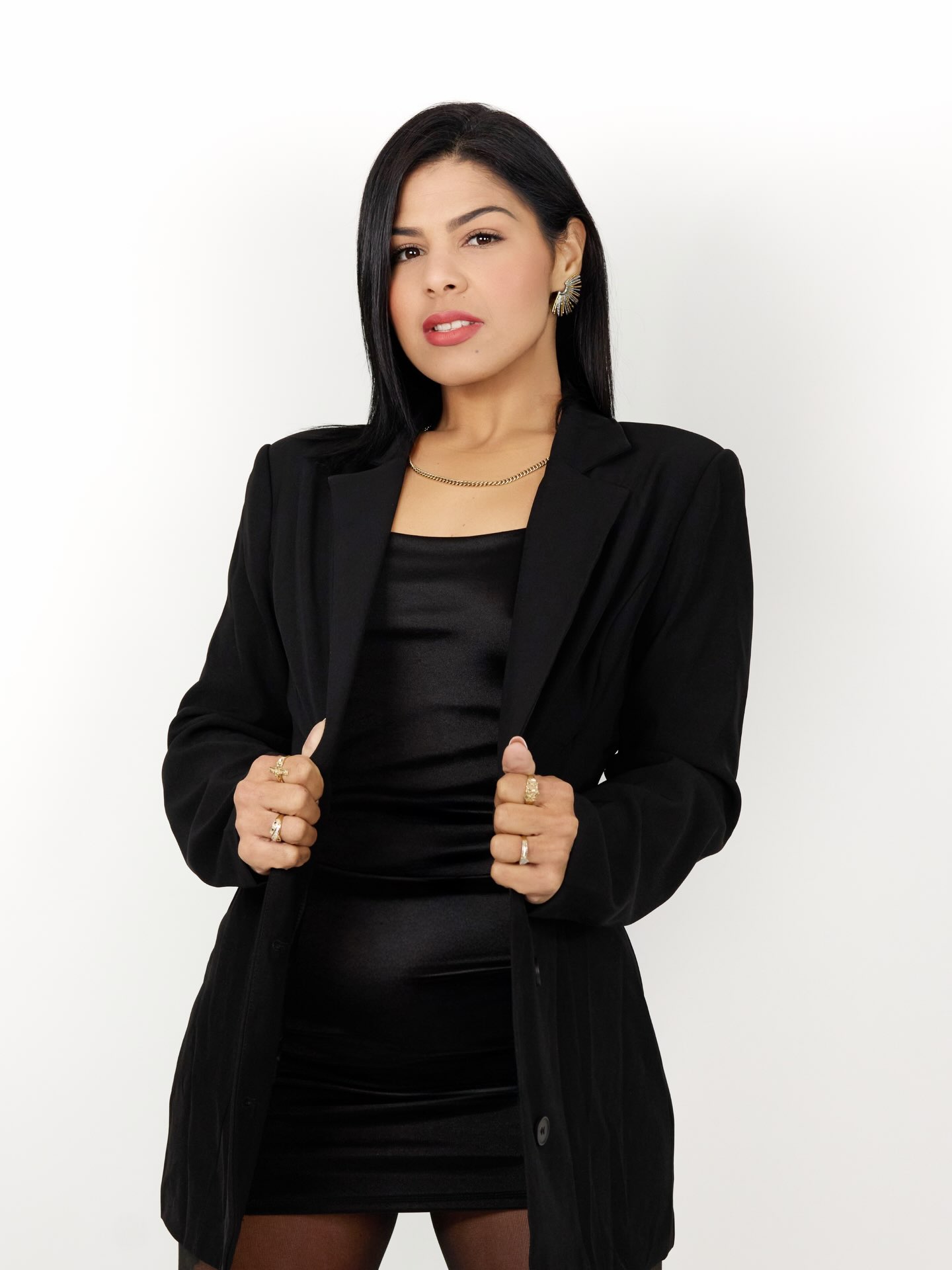
A professional portrait should look polished without making you feel disguised. The strongest wardrobe choices support your face, fit the way the photograph will be used and still feel natural when you move.
Quick answer: Wear well-fitted clothing in colors that complement your skin tone and the intended background. Choose simple layers, controlled patterns and accessories that do not compete with your expression. Bring one polished primary look and, when your session allows it, a second option with a different level of formality.
For professional portraits in Orlando, also consider whether the session will take place in a climate-controlled studio, outdoors or at a workplace. The setting affects color, fabric, footwear and how much layering will remain comfortable.
Begin With Where the Portrait Will Be Used
Wardrobe decisions become easier when every image has a purpose. A portrait for a company directory may need a different level of formality than a photograph for a creative portfolio, speaker profile or social platform.
Before selecting clothing, list the places where the finished portrait may appear:
- Company website or team page
- LinkedIn or another professional profile
- Speaker biography, press feature or conference material
- Email signature or internal directory
- Creative portfolio or professional association
- Printed marketing material
Then consider the impression those uses should communicate. Approachable, precise, creative, established and relaxed are all valid directions, but they lead to different clothing choices. The goal is not to imitate a generic idea of professionalism. It is to present a clear and credible version of you.
Match the Level of Formality to Your Work
You do not need a suit simply because the photograph is professional. Your clothing should make sense for your role, audience and normal working environment.
A structured jacket, dress shirt or tailored dress can communicate formality and clarity. A refined knit, simple blouse, clean overshirt or elevated casual look may be more appropriate for a creative professional, entrepreneur or client-facing role with a relaxed culture.
If you are uncertain, choose clothing that is slightly more polished than your everyday workwear rather than something completely outside your normal style. Familiar clothing often helps posture and expression feel more natural. If being photographed still feels unfamiliar, use the practical guide on how to feel comfortable in front of the camera to prepare for direction, movement and expression.
Prioritize Fit Before Color or Trend
Fit has a greater effect on a portrait than a fashionable detail. Clothing that pulls, gaps, twists or requires constant adjustment can become distracting during the session.
Check your selected pieces while sitting, standing and moving your arms. A good portrait outfit should allow you to change position without losing its intended shape.
Pay particular attention to:
- Shoulder seams and jacket structure
- Collars and necklines that remain in place
- Buttons that do not pull when seated
- Sleeves that allow comfortable arm movement
- Waistbands and hems visible in three-quarter or full-length photographs
- Fabric that does not need to be adjusted after every pose
Try everything together before the session, including underlayers, shoes and accessories. A piece can fit well by itself but behave differently when combined with a jacket, belt or tucked shirt.
Choose Colors That Support Your Face
Solid colors usually photograph predictably and keep attention on expression. Neutral tones are useful, but neutral does not have to mean only black, white or gray. Navy, cream, camel, olive, chocolate and muted variations of other colors can create a polished palette without feeling severe.
Richer colors can also work well when they suit your personal style or professional identity. Deep blue, burgundy, forest green and restrained jewel tones can add presence without overwhelming the portrait.
Hold each option near your face in indirect daylight. Notice whether the color makes your complexion appear balanced or casts an unwanted tone. A quick phone photograph can help compare options, although the photographer’s lighting and editing will be more controlled than a phone camera.
Use Brand Colors With Restraint
If the portrait will appear on a branded website or campaign, consider the colors already used around it. Your clothing does not need to match a logo exactly. Often, a complementary or neutral color integrates more naturally into the final layout.
A brand color can appear through a shirt, jacket, accessory or background, but using every brand color at once may make the portrait feel overly literal. Share the intended website, layout or visual reference before the session when the photograph must work within an established design system.
Build Interest With Layers and Texture
Layers help one outfit create more than one visual direction. A jacket can add structure for a formal portrait and then be removed for a softer, more conversational variation. An overshirt, cardigan or restrained accessory can provide a similar transition.
Texture adds depth without relying on a busy print. Fine knits, matte woven fabrics and subtle tailoring details can photograph beautifully when they lie smoothly and fit the concept.
Be cautious with highly reflective fabric, very stiff material or anything that wrinkles immediately. These are not automatic exclusions, but they should be intentional because lighting can make shine, creases and texture more visible.
Keep Patterns Controlled
Patterns can work in professional portraits, especially when they are part of your normal style. The safest choices have enough scale and contrast to remain clear on camera without becoming the first thing the viewer notices.
Very tight stripes, tiny checks and dense repeating patterns may create distracting visual interference in digital images. Large logos, slogans and prominent graphics can also limit where a portrait can be used and pull attention away from your face.
If you want to wear a patterned item, bring a solid alternative. That gives you flexibility if the pattern competes with the background or does not translate as expected under the selected lighting.
Pay Attention to Necklines, Collars and Jackets
Professional portraits often include close or mid-length compositions, which makes the area around the face especially important.
Choose a neckline or collar that stays flat and feels comfortable from several angles. Check that jacket lapels sit evenly, shirt collars do not collapse and necklaces do not constantly turn. Small adjustments are normal, but an unstable detail can interrupt the flow of the session.
If you are bringing a jacket, try it both open and closed. One option may look better while seated, while the other may create a cleaner standing portrait.
Select Accessories That Have a Purpose
Accessories can communicate personality and finish an outfit, but they should support the portrait rather than dominate it. Choose pieces you regularly wear or that have a clear connection to the intended professional image.
Before the session, inspect watches, jewelry, glasses and belts for reflections, visible wear or details that may need adjustment. If you normally wear glasses, you should usually wear them in your portrait. Clean the lenses and, if you own more than one suitable frame, bring an alternative so the photographer can assess reflections and visual weight.
Plan Two Looks With Different Jobs
When the selected session allows a wardrobe change, make the second outfit meaningfully different instead of bringing two nearly identical versions.
A useful two-look plan might include:
- Primary professional look: the outfit best suited to a company page, biography or formal profile.
- Approachable variation: a less structured layer, different neckline or relaxed color for social profiles and more conversational uses.
Both looks should still belong to the same person and visual story. Changing every element at once can make the final collection feel disconnected, while a thoughtful shift in formality creates variety that remains cohesive.
Know When You Need Personal Branding Instead
A professional portrait session is a strong fit when you primarily need polished photographs of one person. A personal branding session may be more useful when you need a broader image library showing your work, products, environment, process or several content formats.
If your plan includes photographs for a website launch, campaign, social-media series or product-based business, review both the Portraits & Birthdays experience and the Personal Branding experience before deciding. The intended use should determine the service, not simply the number of outfits you want to bring.
Dress for a Studio, Outdoor or Workplace Session
Studio portraits
A studio provides controlled light, privacy and easier wardrobe changes. Because the environment can be visually simple, fit, texture and small styling details become more noticeable. Ask about the intended background so your clothing creates the amount of contrast you want.
Outdoor portraits
For an outdoor session in Orlando, choose fabrics and layers that remain comfortable in heat and humidity. Consider wind, walking distance and footwear as well as the location’s colors. Bring a simple plan for touch-ups, and avoid wearing a heavy layer that you cannot comfortably keep on for the intended photographs.
Workplace portraits
At a workplace, clothing should fit both the professional context and the visual environment. Check whether uniforms, safety requirements, branded apparel or location rules apply. Remove temporary badges, keys or items from pockets unless they are intentionally part of the photograph.
If you are still deciding on the setting, read Studio or Outdoors? Choosing the Right Setting for Your Photo Session.
Prepare Every Detail Before the Session
Steam or press clothing and transport it on hangers when possible. Bring a lint roller and any small item needed to keep the outfit consistent. Try on the complete look again a few days before the session so there is time to replace or adjust something without creating last-minute stress.
Pack:
- Your primary outfit and approved second look
- The correct underlayers and socks
- Clean shoes appropriate for the planned framing and location
- Selected accessories and an optional simplified alternative
- A lint roller and basic touch-up items
- Any brand reference or layout that affects color and orientation
Arrive in clothing that can be adjusted easily if you plan to change at the studio. Avoid carrying essential wardrobe pieces loosely where they can wrinkle or collect lint.
A Professional Portrait Wardrobe Checklist
- I know where the portrait will be used.
- My outfit reflects my role and normal professional style.
- Every piece fits while sitting, standing and moving.
- The colors support my face and the intended background.
- Patterns, logos and accessories do not compete for attention.
- My two looks serve different purposes without feeling disconnected.
- The fabrics and shoes work for the Orlando setting and expected weather.
- Everything is clean, pressed and packed with the correct underlayers.
Frequently Asked Questions
Should I wear black for a professional portrait?
Black can look polished and focused, but it is not the only professional choice. Consider the background, the amount of contrast you want and whether black reflects your usual style. Navy, charcoal, cream, olive and other restrained colors can work equally well.
Should I wear a suit?
Wear a suit when it is appropriate for your role, audience and intended use. If it does not reflect how you normally present yourself professionally, a tailored but less formal outfit may feel more credible.
Can I wear white?
Yes. White and cream can create a clean result, particularly when the background and lighting provide enough separation. Make sure the fabric is not too sheer and bring the correct underlayer.
How many outfits should I bring?
Bring only the number supported by the session plan. For a session with one change, a polished primary outfit and a less formal variation usually provide more useful range than several unplanned options. Confirm wardrobe timing before the session.
What if I do not feel comfortable in formal clothing?
Do not force a level of formality that makes you feel unlike yourself. Professional does not have one uniform. Choose clothing that fits your work and allows you to focus on expression, posture and connection with the camera.
Plan Your Professional Portrait in Orlando
A well-planned wardrobe gives you one less thing to think about once the camera is in front of you. Begin with the intended use, choose clothing that fits and supports your face, and bring only options that contribute something distinct to the final collection.
Explore the Portraits & Birthdays photography experience, browse recent work in the Sarlen Studios Portfolio, or learn more about Alejandro’s approach to direction and preparation.
When you are ready to plan your portrait, contact Sarlen Studios about a Portraits & Birthdays session.
Ready when you are
Turn preparation
into photographs.
Tell us what you are planning, who will be photographed and the date you have in mind. Sarlen Studios will personally review the inquiry and help shape the next steps.
Begin your inquiry View related work